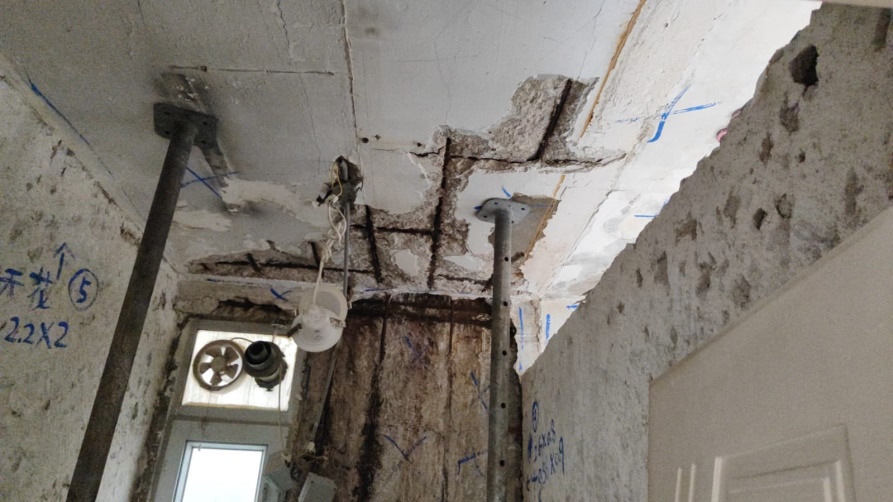
Indoor Ceiling Spalling
Large-area ceiling spalling caused by leakage. Stop the water source first, then remove loose concrete, treat rust and repair with professional mortar.
Concrete repair · Registered Minor Works Contractor Class II
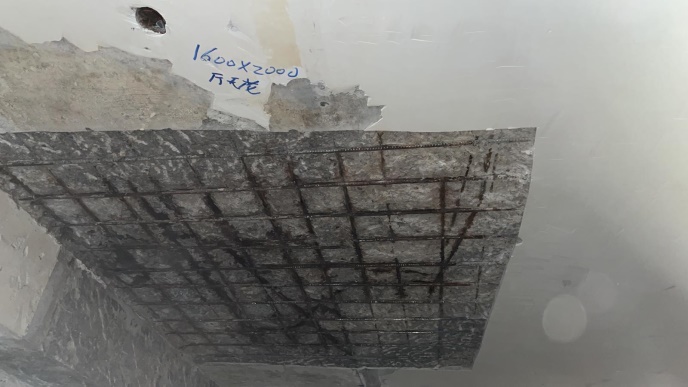
Concrete spalling appears as cracks, bulging, crumbling or falling chunks that expose rusted reinforcement. The most common cause is water ingress that rusts steel bars; rust expands about two to three times in volume and bursts the concrete from within. Carbonation and leakage from upper floors or external walls accelerate the process.
Falling ceiling concrete can injure occupants; external-wall spalling endangers pedestrians and vehicles, and owners may face legal liability. Ongoing corrosion also weakens structural capacity. Repair must follow proper procedures—not a thin plaster cover.
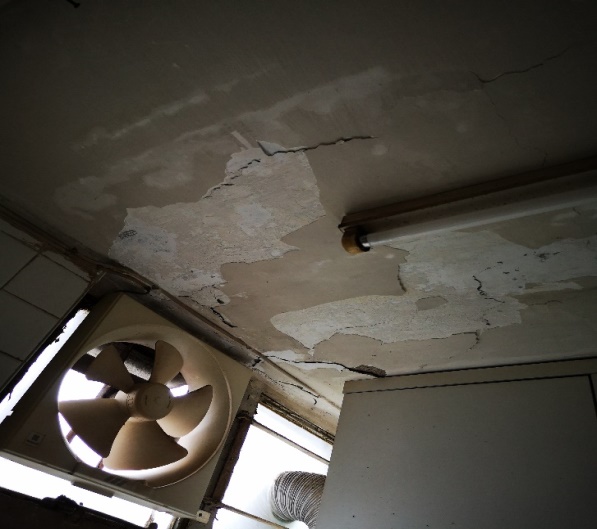
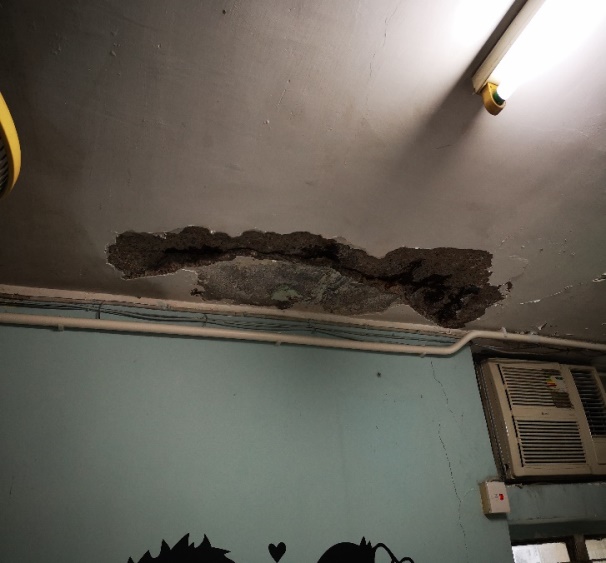
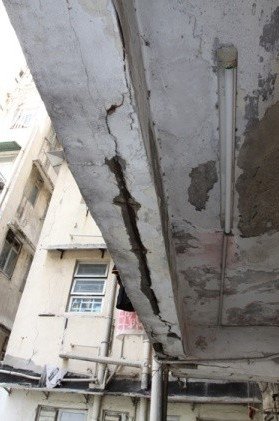
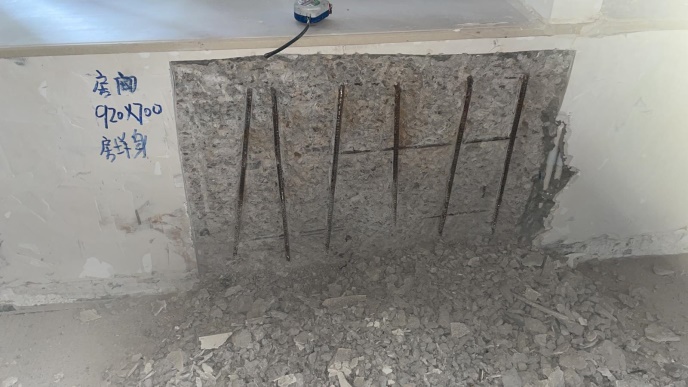
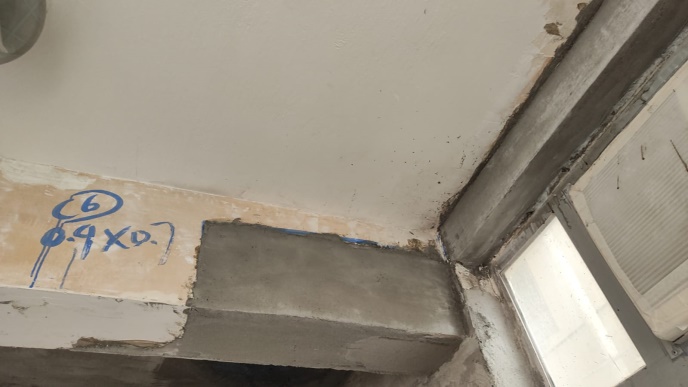
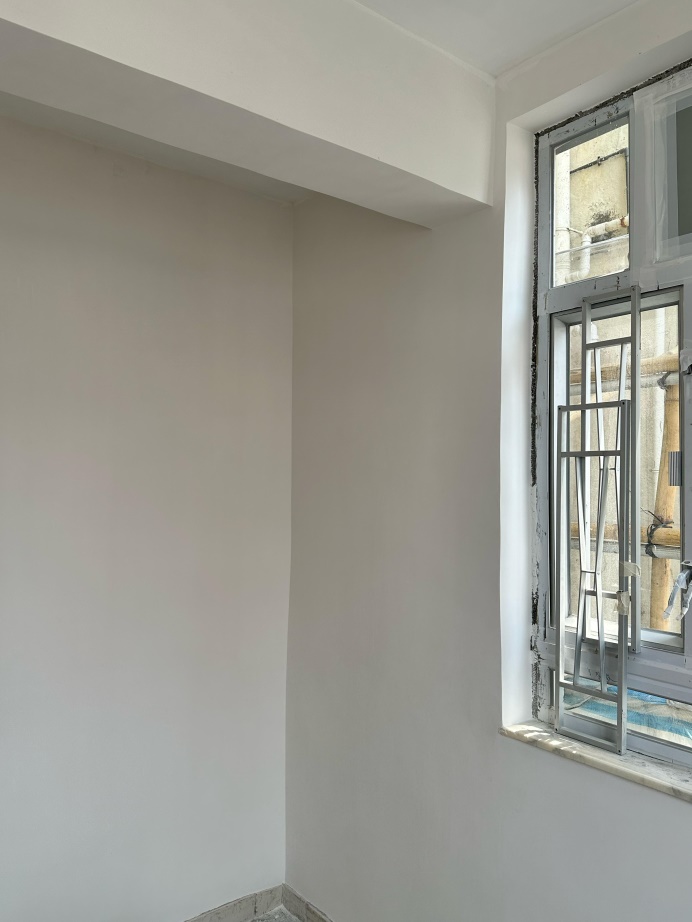
If leakage is not stopped before repair, spalling may return within years. Structural or external-wall works should use a qualified registered contractor; severe reinforcement corrosion needs professional assessment for strengthening or replacement.
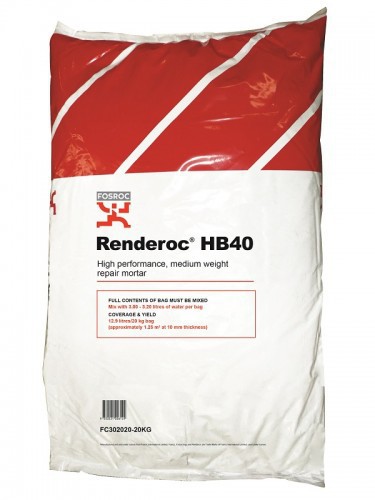 Fosroc RenderocFosroc
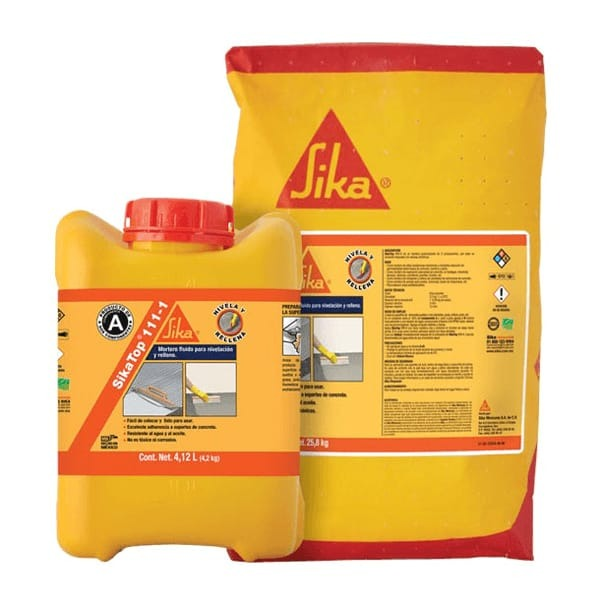 Sika Hong KongSika Hong Kong
Large-area ceiling spalling caused by leakage. Stop the water source first, then remove loose concrete, treat rust and repair with professional mortar.
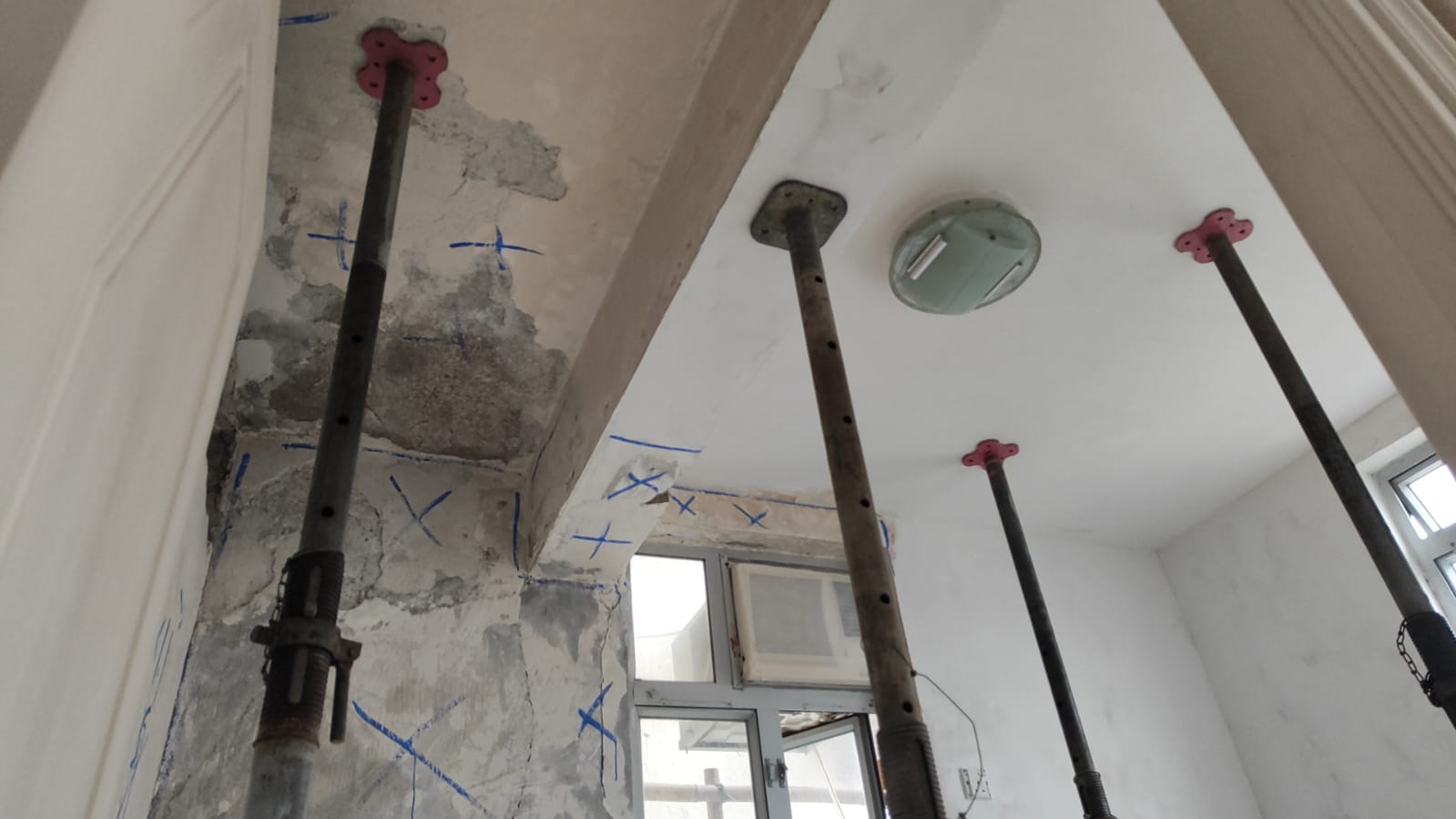
Structural repairs require temporary propping and must be handled by a Registered Minor Works Contractor (Class II) using proper procedures—not plaster cover alone.
The Urban Renewal Authority supports eligible owners with grants of up to HK$80,000 per property / eligible applicant. Covered works may include repairing loose, cracked or spalled concrete, external plaster, defective windows/doors, waterproofing and pipes. Eligibility and income/asset limits follow the latest URA rules.
We can help assess the works scope and keep before/during/after photos and invoices for eligible owners to apply. URA hotline: 3188 1188.
Registered Minor Works Contractor (Class II)
Identify leakage, carbonation or reinforcement corrosion sources first
Professional repair mortar—not plaster cover alone
Handle external-wall and structural repairs under the minor works control system